
custom size glass panels
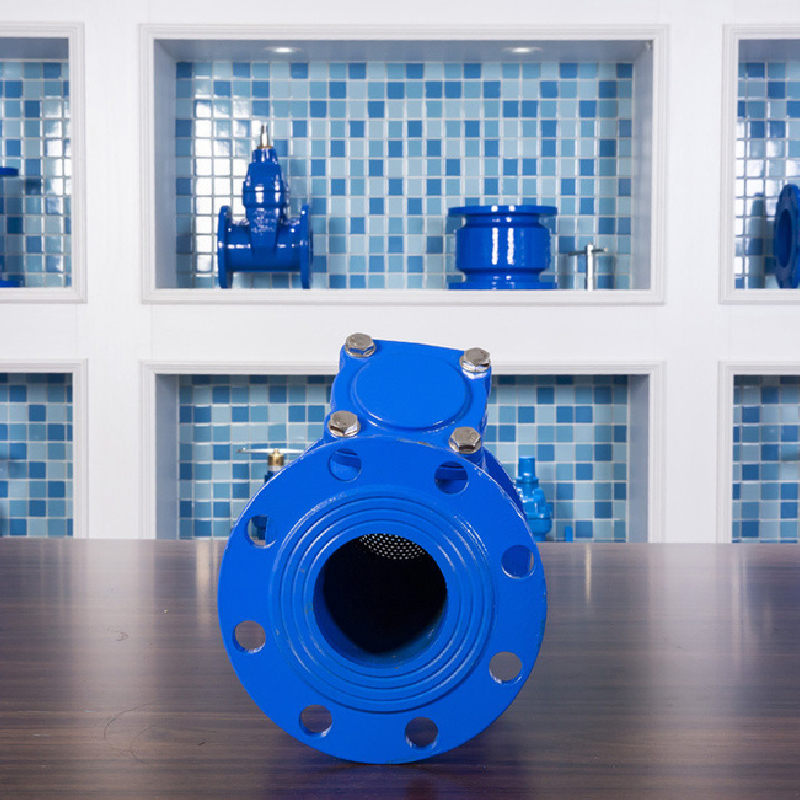
How to Change the Main Water Valve A Step-by-Step Guide Changing the main water valve in your home is an essential maintenance task that can prevent water damage and excessive leaks. Whether you're dealing with a malfunctioning valve or simply want to upgrade to a more reliable model, understanding the process is crucial. This guide will walk you through the necessary steps to change your main water valve safely and effectively. Understanding the Main Water Valve The main water valve is a crucial component of your plumbing system, as it controls the flow of water into your home. It’s typically located near where the water line enters your house, often in the basement, crawl space, or outside near the foundation. Knowing how and when to change this valve is important not just for repairs, but for emergencies, such as significant leaks or burst pipes. Tools and Materials You’ll Need Before you begin, gather the necessary tools and materials. You will need - A new main water valve (ensure it’s the correct size and type) - Pipe wrenches or adjustable wrenches - Plumber's tape - A bucket or towels to catch water - Safety glasses and gloves - A pipe cutter (if you need to remove any sections of pipe) Step-by-Step Process 1. Turn Off the Water Supply The first and most crucial step in changing the main water valve is to shut off the water supply to your home. This can usually be done at the municipal supply, often located at the street or in a designated access point. Once you turn this off, open a faucet in the house to allow any remaining pressure to escape, preventing backflow when you remove the valve. how to change main water valve 2. Drain the System To avoid flooding, it’s a good idea to drain the pipes. Open faucets at the highest and lowest points in your home to let any remaining water flow out. This step minimizes water spillage when you remove the old valve. 3. Locate the Valve Find the main water valve; it could be a gate valve or a ball valve. Inspect the connections and surrounding pipes to assess how best to approach the replacement. 4. Remove the Old Valve Using your pipe wrench, loosen the nuts connecting the valve to the pipes. Depending on the type of valve, you may need to cut the pipe if it is soldered or too corroded to remove easily. Be cautious here; ensure your cuts are clean to facilitate a better seal with the new valve. 5. Prepare the New Valve Before installing the new valve, measure the space to ensure a proper fit. Apply plumber’s tape to the threads of the new valve to prevent leaks. This helps create a watertight seal when you attach it to the existing plumbing. 6. Install the New Valve Position the new valve in place, ensuring it’s oriented to allow for the correct flow direction (usually indicated by an arrow on the valve). Tighten the connections with your wrench, ensuring they are snug but not overly tight, which could damage the fittings. 7. Restore Water Supply Once the new valve is securely in place, turn the water supply back on slowly. As you do this, watch for leaks around the fittings. If everything looks good, restore normal water pressure by turning on faucets and letting air escape. 8. Test the System Run water through the system to ensure the new valve is functioning correctly. Check all nearby connections for any signs of leaking. If you notice any drips, you may need to retighten the connections or apply more plumber's tape to ensure a secure fit. Conclusion Changing the main water valve in your home is a straightforward process that can save you from future headaches related to leaks and water damage. By following this step-by-step guide, you can safely replace your valve with confidence. However, if you encounter any complications or are unsure about the process, don’t hesitate to consult a professional plumber. Regular maintenance and timely repairs are key to keeping your plumbing system in optimal condition.
about
custom size glass panels
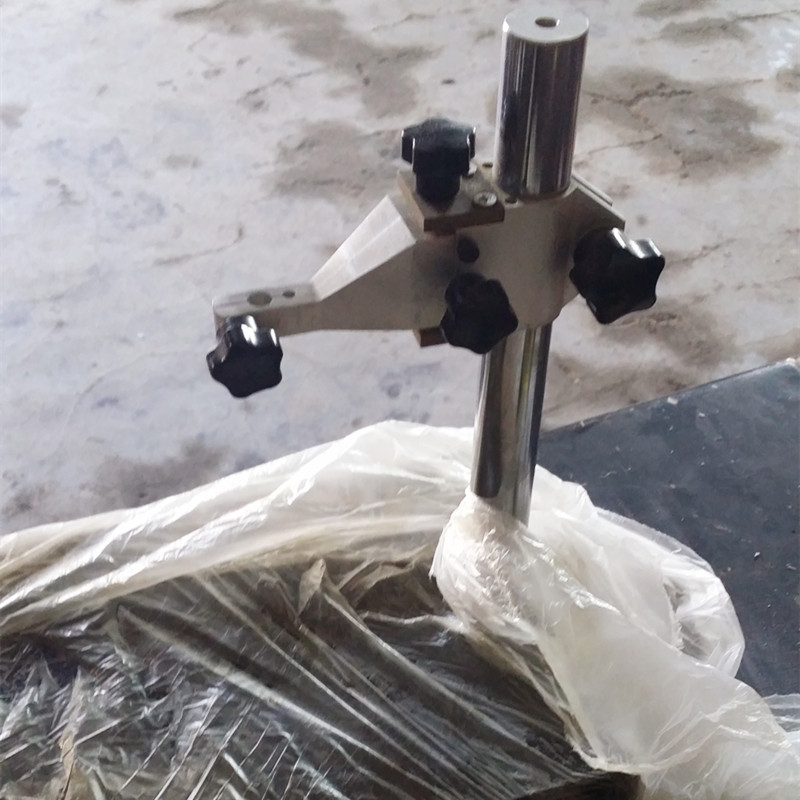
Understanding Precision Spirit Levels with a Resolution of 0.02 mm/m In the world of construction, woodworking, and various precision-demanding fields, having the right tools can mean the difference between a flawless finish and a compromised project. One such indispensable tool is the precision spirit level, notably one with an accuracy of 0.02 mm/m. This article delves into the significance of such a level, its applications, and the advantages it offers to professionals and hobbyists alike. What is a Precision Spirit Level? A precision spirit level is essentially an instrument used to determine whether a surface is horizontal (level) or vertical (plumb). Unlike standard levels, precision levels boast a higher degree of accuracy, often achieving measurements of 0.02 mm/m. This means that for every meter of distance, the level can detect discrepancies as minor as 0.02 mm, making it a critical tool for tasks where exact measurements are crucial. Applications in Various Industries Precision spirit levels are utilized across a spectrum of industries. In civil engineering, for example, they are employed to ensure that large structures are built on a stable and level foundation. Such accuracy is vital for the longevity and safety of buildings and roads. Similarly, in the field of carpentry, woodworkers depend on precision levels to create furniture and cabinetry that fit perfectly, as even the slightest error can lead to structural issues or aesthetic displeasure. precision spirit level 0.02 mm m In manufacturing, especially in industries that require high-quality assembly, precision spirit levels are used to align machinery accurately. Any misalignment can cause operational inefficiencies and increase wear and tear on the equipment. Furthermore, in the scenic arts, precision levels help set up stages and backdrops, allowing for perfect lines and angles, creating visually appealing results. Advantages of 0.02 mm/m Levels The primary advantage of using a precision spirit level with a tolerance of 0.02 mm/m is enhanced accuracy. This level of precision is particularly advantageous in scenarios where standard levels would not suffice. For instance, in semiconductor fabrication or aerospace industries, where minuscule variances can lead to catastrophic failures, having an instrument that can detect even the tiniest deviations is imperative. Moreover, these levels often come equipped with dual vials, allowing for easy readings in both horizontal and vertical orientations. The robustness of the material used in their construction also ensures durability, meaning that these tools can withstand rugged environments while maintaining their accuracy. Conclusion In summary, a precision spirit level with an accuracy of 0.02 mm/m is an essential tool for anyone involved in fields that demand a high level of accuracy. From construction to manufacturing, its applications are diverse and critical. As projects continue to evolve in complexity, the need for precision will only grow, making tools like the precision spirit level more important than ever. Adopting such a tool not only enhances the quality of work but also ensures that every project culminates in success, showcasing the value of precision in our endeavors.
-

High quality industrial productsagement

High quality industrial products
View Details -

Meet the diverse needs of customers

Meet the diverse needs of customers
View Details -

Strict quality control

Strict quality control
View Details -

Top raw materials

Top raw materials
View Details -

Trusted supplier

Trusted supplier
View Details
Our application

news and information
valve for sale
Understanding the Importance of Quality Valves for Sale Expert Insights For those heavily invested i

Y-Type Cast Iron Strainers for Efficient Fluid Filtration Solutions
Understanding Cast Iron Y-Type Strainers A Comprehensive Overview Strainers play an essential role i
Valve de 10 pouces
Les vannes à papillon de 10 pouces jouent un rôle crucial dans la gestion des fluides dans divers sy
 English